
Working With Students Who Resist Participating
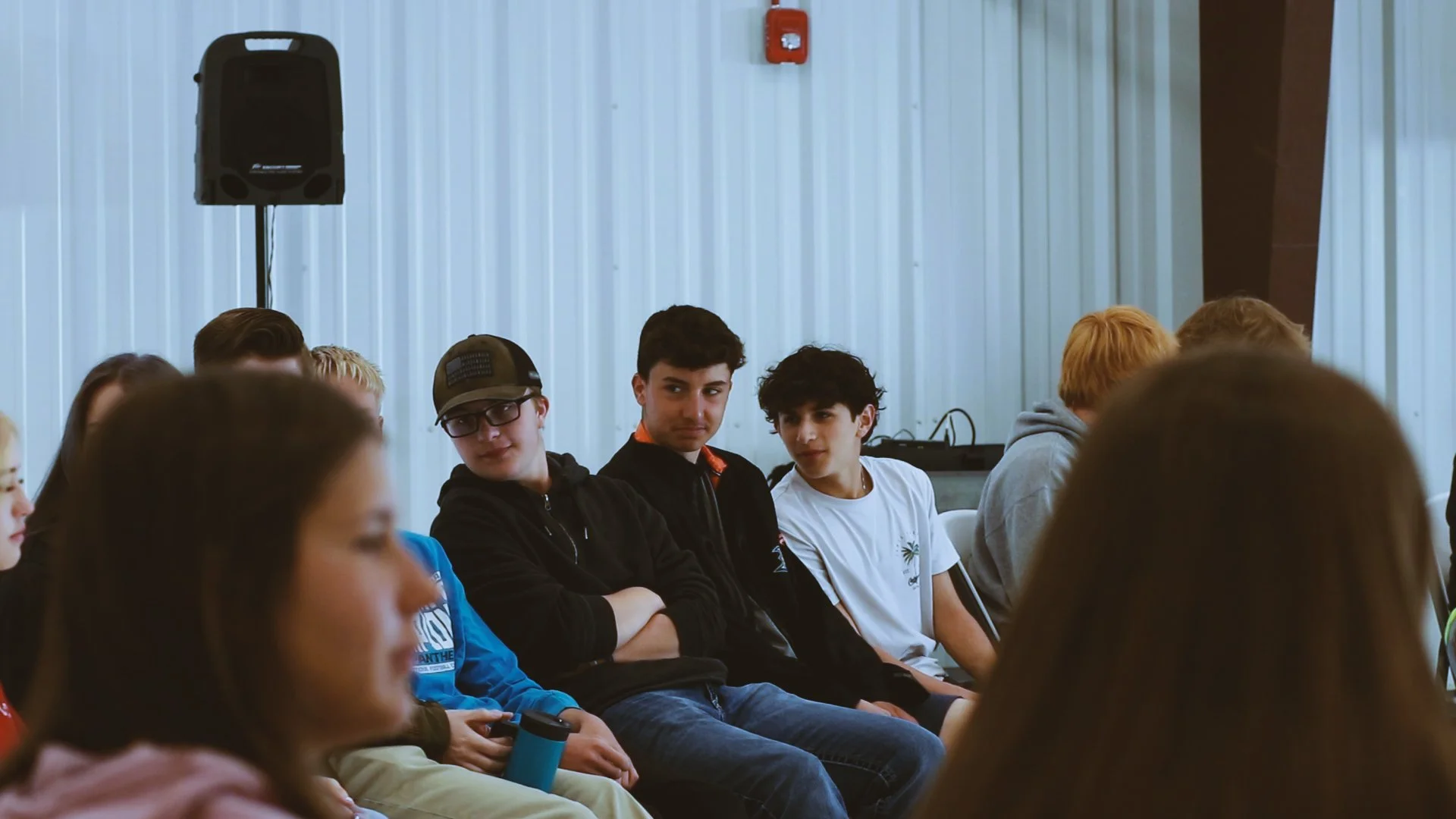
“What are some questions you have in your curriculum to get resistant kids to participate?”
The question came from a high school student during a presentation I was giving to staff and students from a school district in California earlier this year.
A couple of months earlier, the district had invited The Core Project to present one of our Core Lessons and answer questions as part of its curriculum selection process. We were one of three programs being considered, so I wanted the group to get an honest sense of what a Core Lesson actually feels like.
I was about 28 minutes into my 30-minute lesson and starting to wrap things up when “Manny” asked a question.
“What are some questions you have in your curriculum to get resistant kids to participate?”
It caught me a little off guard. Not because it was a bad question. It was actually a really good one. I just wasn’t sure the question itself was the whole question.
So instead of answering right away, I got curious.
“I get the impression you’re asking because you have some personal experience with students who resist participating?”
He said yes.
“My guess is that maybe you’ve been that resistant student at times?”
He smiled and admitted that he had.
Then I asked one more.
“And I’m guessing you’re also asking because you’re a little worried about other students who resist?”
Again, he said yes.
That changed the question for me.
Manny wasn’t just asking how to get a resistant student to participate. He was thinking about what happens to students like him when they don’t.
I told him, “In that moment, I’m not sure it matters what question you ask. Resistant kids don’t necessarily need a better question. They need a place where they feel safe enough to decide that participating might be worth the risk.”
Because resistance usually isn’t solved by the quality of the curriculum.
When a student crosses their arms, looks away, gives you the classic one-word answer, or makes it abundantly clear they would rather be almost anywhere else, our instinct can be to push harder. Ask another question. Call on them again. Remind them that everyone needs to participate.
But forcing participation rarely wins a resistant student over. More often, it confirms the very thing they may already suspect: This isn’t a place that is really interested in me.
Before we worry about getting resistant students to talk, it may help to ask a different question:
What might this student need before participating feels worth the risk?
Make participation an invitation, not a demand.
Students resist for all kinds of reasons, and we usually don’t know the whole story. Maybe they’re uncomfortable. Maybe they don’t trust the group yet. Maybe past experiences have taught them that drawing attention to themselves isn’t worth the risk. Or maybe they’re simply having a bad day.
We don’t have to know exactly why a student is resisting in order to respond respectfully.
When we stop treating participation as the only measure of whether something meaningful is happening, we can become more curious about the student in front of us. We can let them know they are more important than the question we want answered.
That doesn’t mean lowering expectations or allowing a student to derail the experience for everyone else. Sometimes a student simply needs permission to be there without being pressured to perform.
This makes me think about something my wife says to me.
If I’m at home and a text or email comes in, I can easily get sucked into another world. In my mind, it’s probably business or something pressing, and delaying a response could be detrimental. Maybe it is. But spend too long there and my wife will eventually say, “Why don’t you join us in the real world?”
I love that.
What she’s really saying is, We’re here, and we want you with us.
There’s something powerful about knowing your presence is wanted.
Resistant students need that same kind of invitation. Sometimes it can be as simple as, “You’re welcome to join us anytime.”
There is a difference between inviting a student into an experience and needing them to participate so we can feel like the experience is working.
And if we’re being honest, a student’s resistance can make us uncomfortable. As educators and facilitators, we often judge how well things are going by what we can see. Are students talking? Are hands going up? Do they seem interested?
When that isn’t happening, it can feel like we’re failing. That discomfort can create an urge to push harder.
Sometimes the challenge is noticing our own discomfort without making the student responsible for relieving it.
Students are pretty good at sensing the difference.
They may not respond right away. They may even act as though the invitation doesn’t matter. But we are still communicating something important: There’s a place for you here.
Don’t confuse participation with engagement.
This brings me back to Manny’s original question.
“What are some questions you have in your curriculum to get resistant kids to participate?”
Maybe the answer is that we aren’t trying to get them to participate.
Our goal is to provide students with experiences that are meaningful, relevant, and helpful. Participation can be evidence that we are getting there, but it isn’t the goal itself.
A student can sit quietly through an entire conversation and still be thinking. They can listen without raising their hand. Something they hear may stay with them long after the lesson ends, even if they never say a word.
We don’t always get to see what is happening inside a student. What we can control is what they experience from us.
Did they feel judged for holding back, or did they get the sense that there was still a place for them in the room?
Because ultimately, the student who resists may not need us to find the perfect question that finally gets them to talk.
They may need to discover that when they don’t talk, we are still listening.