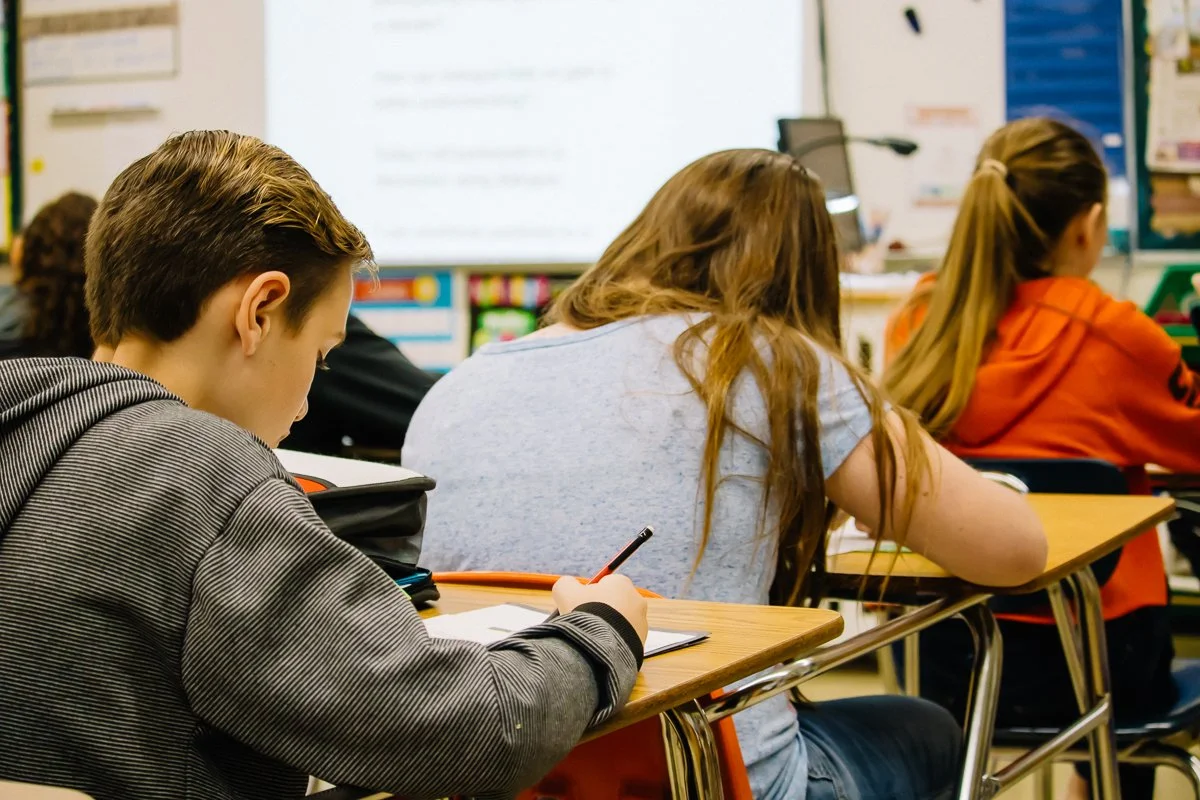
People learn through experience.
OUR APPROACH
Information matters, but knowing something and experiencing it are not the same.
For more than 20 years, The Core Project has worked directly with students and educators in classrooms, groups, trainings, and school-wide experiences. Again and again, we’ve seen that meaningful growth is more likely when people are involved in the learning, connected to the people around them, and given time to make sense of what they experience.
That understanding shapes everything we create, from curriculum and student experiences to professional development for educators.

WHY EXPERIENCE MATTERS
Experience gives learning something to stick to.
Some things can be taught by explaining them. Others need to be practiced.
Communication, perspective taking, handling disagreement, and working with others develop through interaction. Students need opportunities to practice, notice what happens, and learn from the experience.
That is why experience is central to The Core Project’s approach. Activities are not there simply to make learning more engaging. They create something real for students to respond to and learn from.
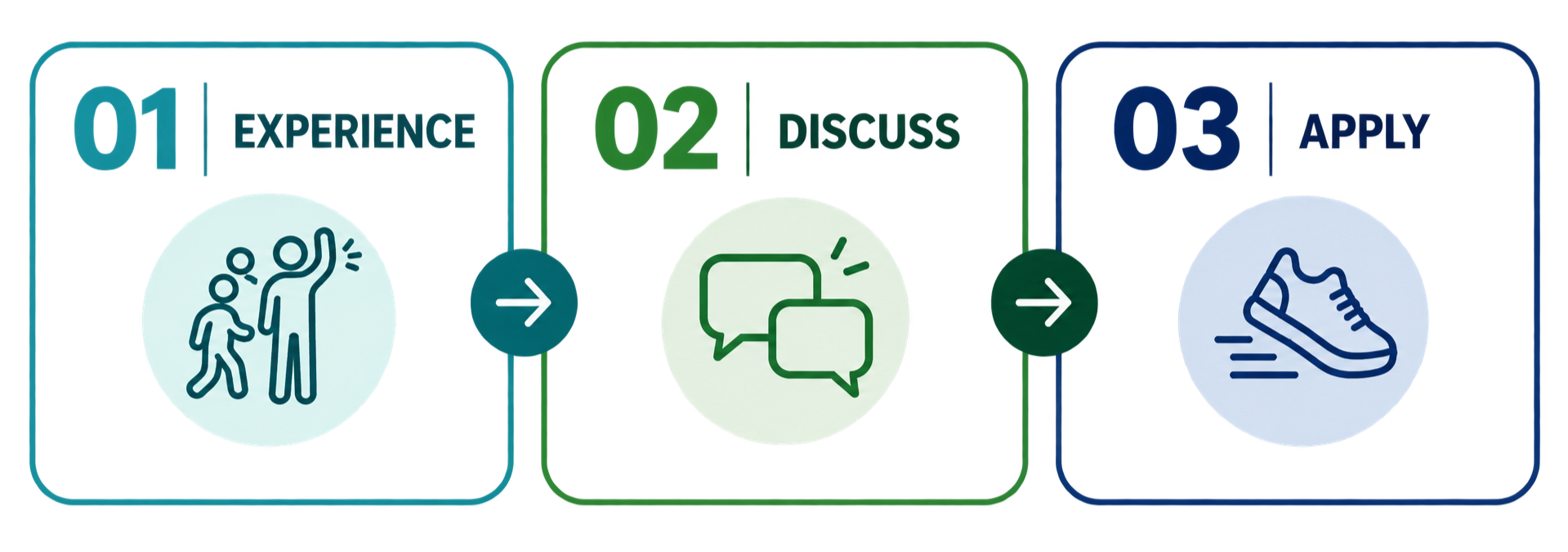
HOW AN EXPERIENCE BECOMES LEARNING
The experience starts the learning. Discussion helps students make sense of it and hear perspectives beyond their own. Applying what they learned gives students an opportunity to carry it into everyday life.
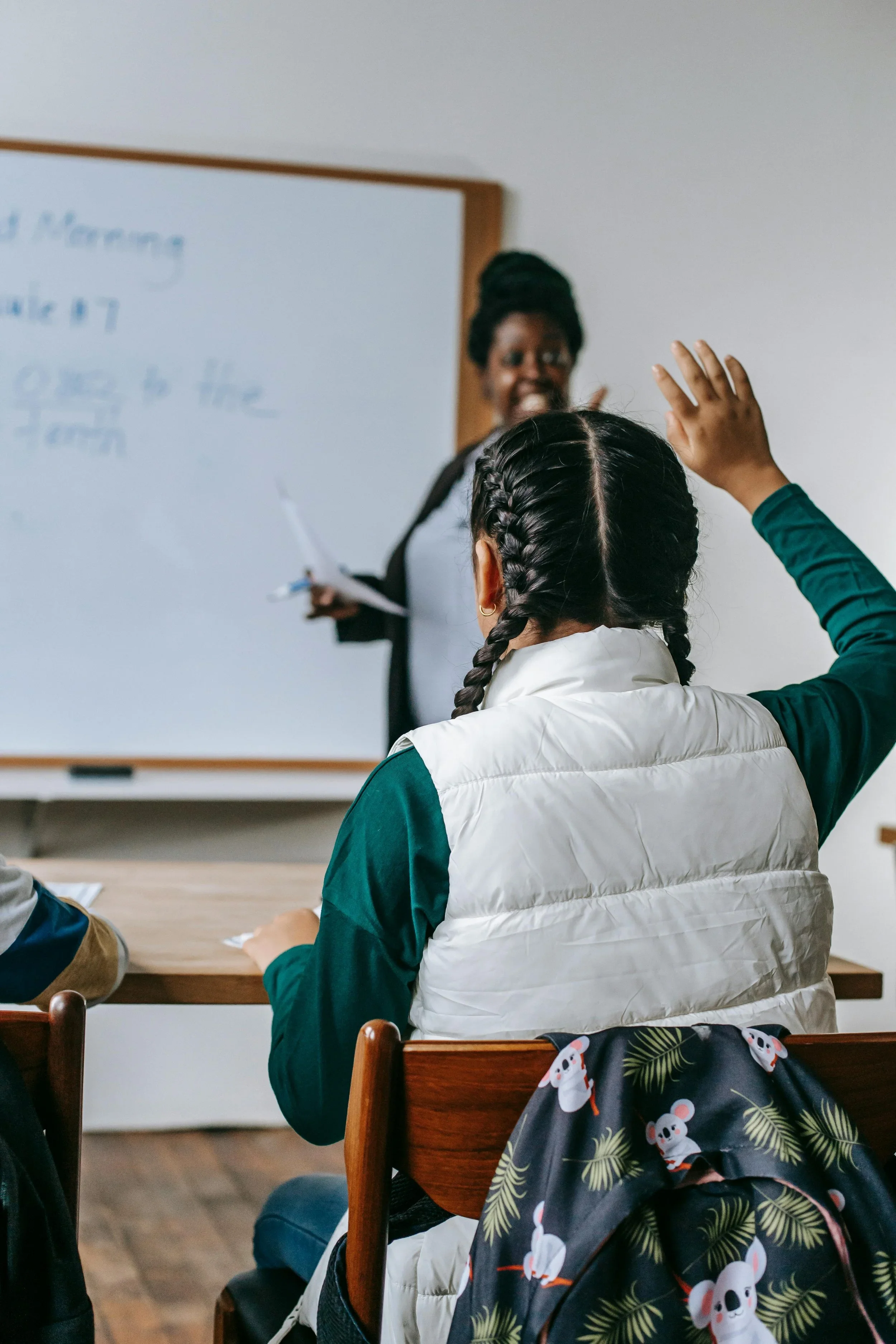
WHY RELATIONSHIPS MATTER
Relationships create the conditions for growth.
Students learn from the people around them as much as they learn from the information they are given.
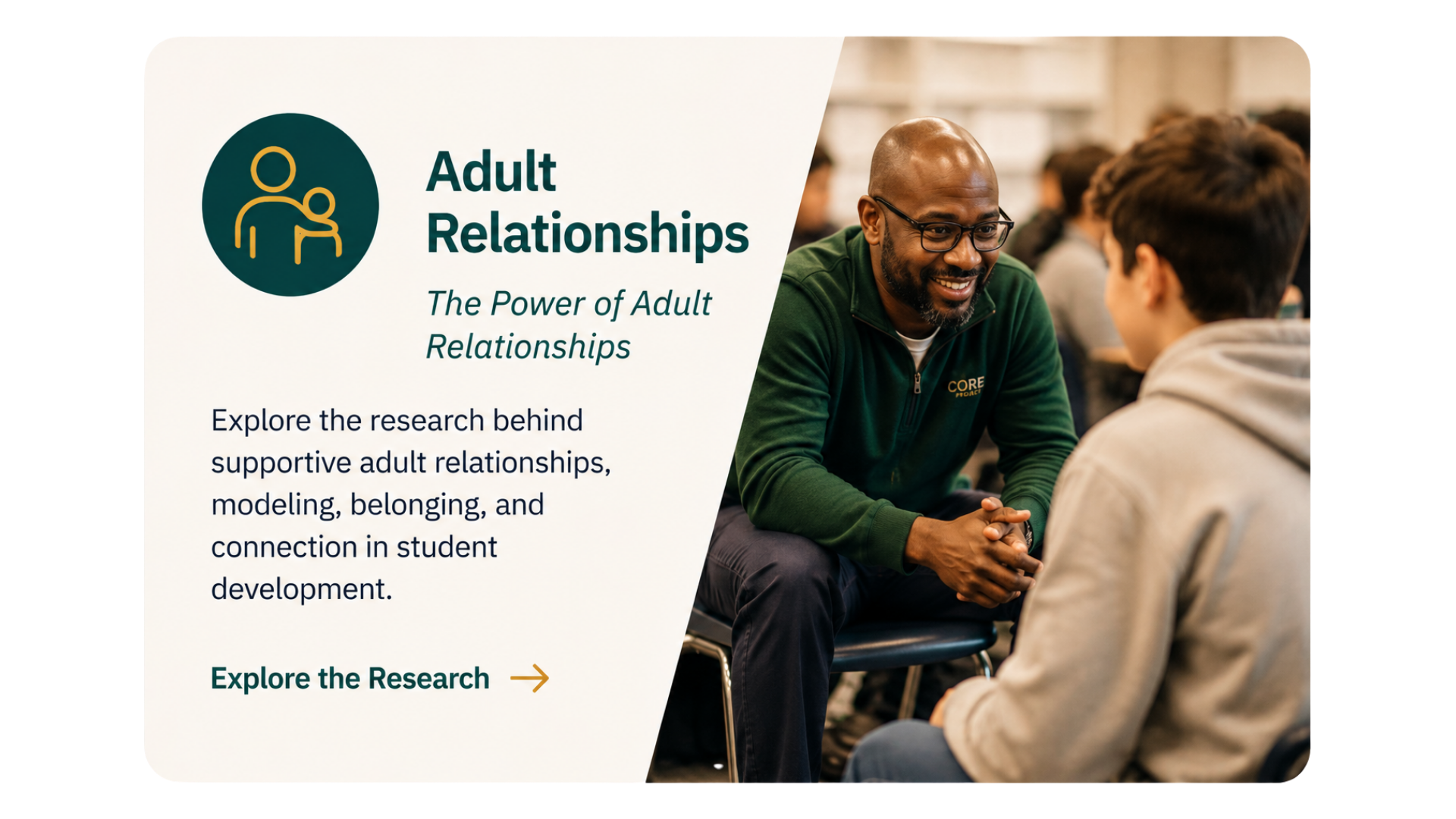
A supportive relationship with an adult can influence whether a student is willing to participate, ask for help, or work through discomfort. Adults also model many of the skills students are developing through the way they communicate, respond to mistakes, and treat other people.
That is why The Core Project keeps adults actively involved in the learning process. Our curriculum is designed to be facilitated by educators, not delivered around them. Our student experiences also give adults and students opportunities to participate and learn alongside one another.
The goal is not to manufacture closeness or force students to be vulnerable. It is to create more opportunities for the kinds of interactions that build trust and connection over time.
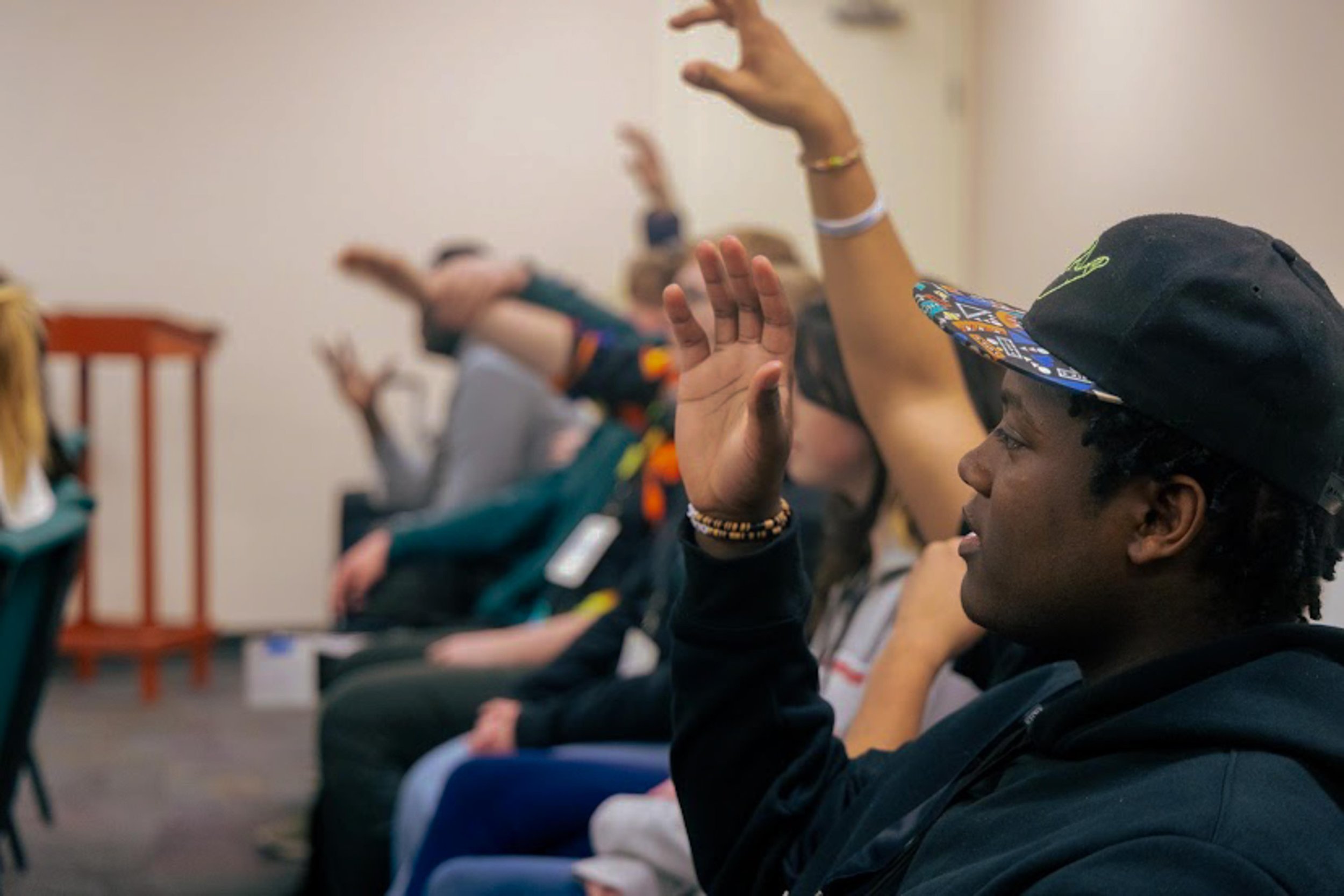
GROWTH REQUIRES OWNERSHIP
We all have influence over the environments we’re part of.
How we show up and treat other people affects what happens around us. While we cannot control everything that happens in a classroom, school, relationship, or community, we can take responsibility for the part that belongs to us.
For The Core Project, this is what growth from the inside out means. It begins with looking honestly at ourselves, recognizing where we have influence, and deciding how we want to show up.
Taking ownership is not about being perfect or blaming ourselves when things go wrong. It means paying attention to the part we play and being willing to adjust when needed.
Greg Sommers often describes that process this way:
“I realize and accept I am a work in progress…not who I was, and not yet who I will become, and I welcome the task.”
Experience, relationships, and ownership show up differently depending on the setting, but they remain consistent across our work.
In a classroom, that might mean giving students something to experience together before asking them to discuss it. During a Core Day, it might mean creating opportunities for students to interact outside their usual circles. In a staff training, it might mean asking educators to participate in the same kinds of experiences they will eventually facilitate with students.
OUR APPROACH IN PRACTICE
These ideas shape everything we create.


CORE LESSONS
Ready-to-use curriculum that helps educators create meaningful experiences and conversations with students.
STUDENT EXPERIENCES
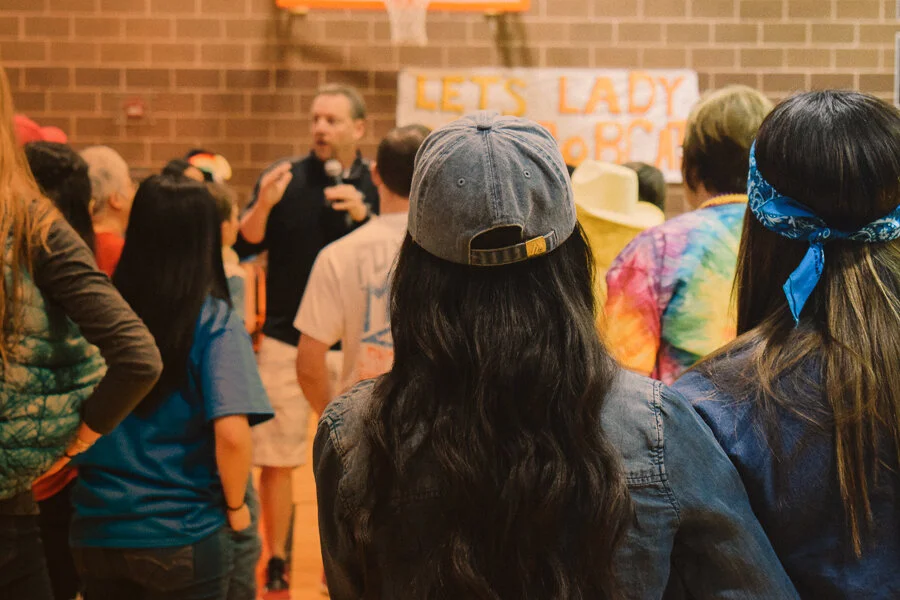
Facilitated experiences that bring students together, get them involved, and give them opportunities to see one another differently.

EDUCATOR EXPERIENCES
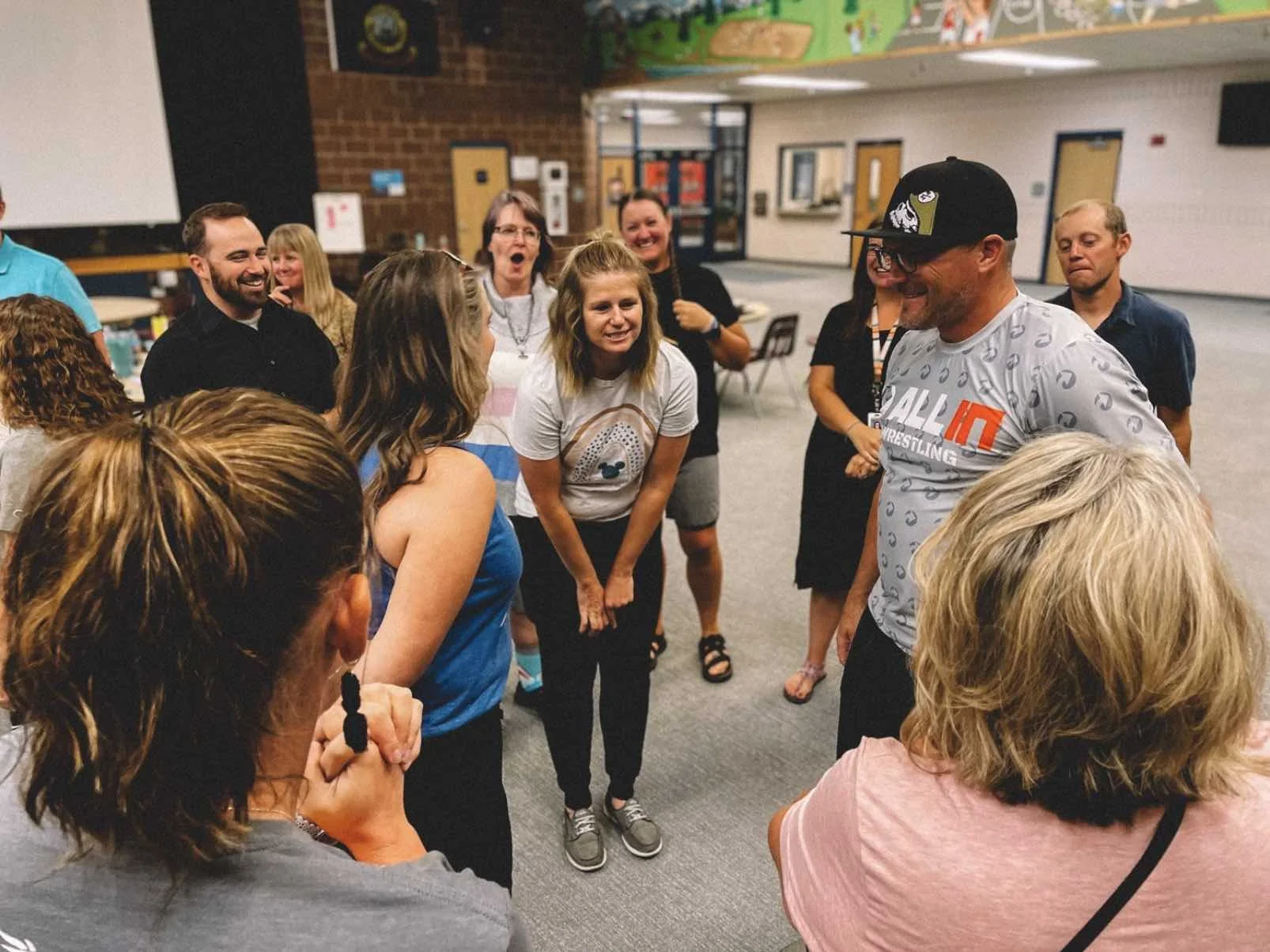
Experiential professional development that gives educators time to participate in the learning and connect it back to their work with students.
THE RESEARCH BEHIND OUR APPROACH
Our approach is grounded in what we know about how people learn and grow.
The Core Project’s approach has developed through more than 20 years of working directly with students and educators. It is also informed by established research in education, adolescent development, experiential learning, and human relationships.
Research helps us understand why certain conditions support learning and development. Working directly with students and educators helps us understand what those ideas look like in real classrooms and schools.'
Together, they continue to shape how we develop and refine our work.
A note about evidence
Our research briefs synthesize established research that informs The Core Project’s approach. They are not the results of a large-scale experimental study of Core Lessons itself.
BUILT FOR REAL SCHOOLS
Good ideas have to work in real classrooms.
Schools do not need another idea that sounds good on paper but becomes difficult to use.
The Core Project creates practical tools and experiences that give educators a place to start while leaving room for their own judgment and relationships with students.
We bring the structure. Educators bring what we cannot: their knowledge of their students, their school, and their community.