
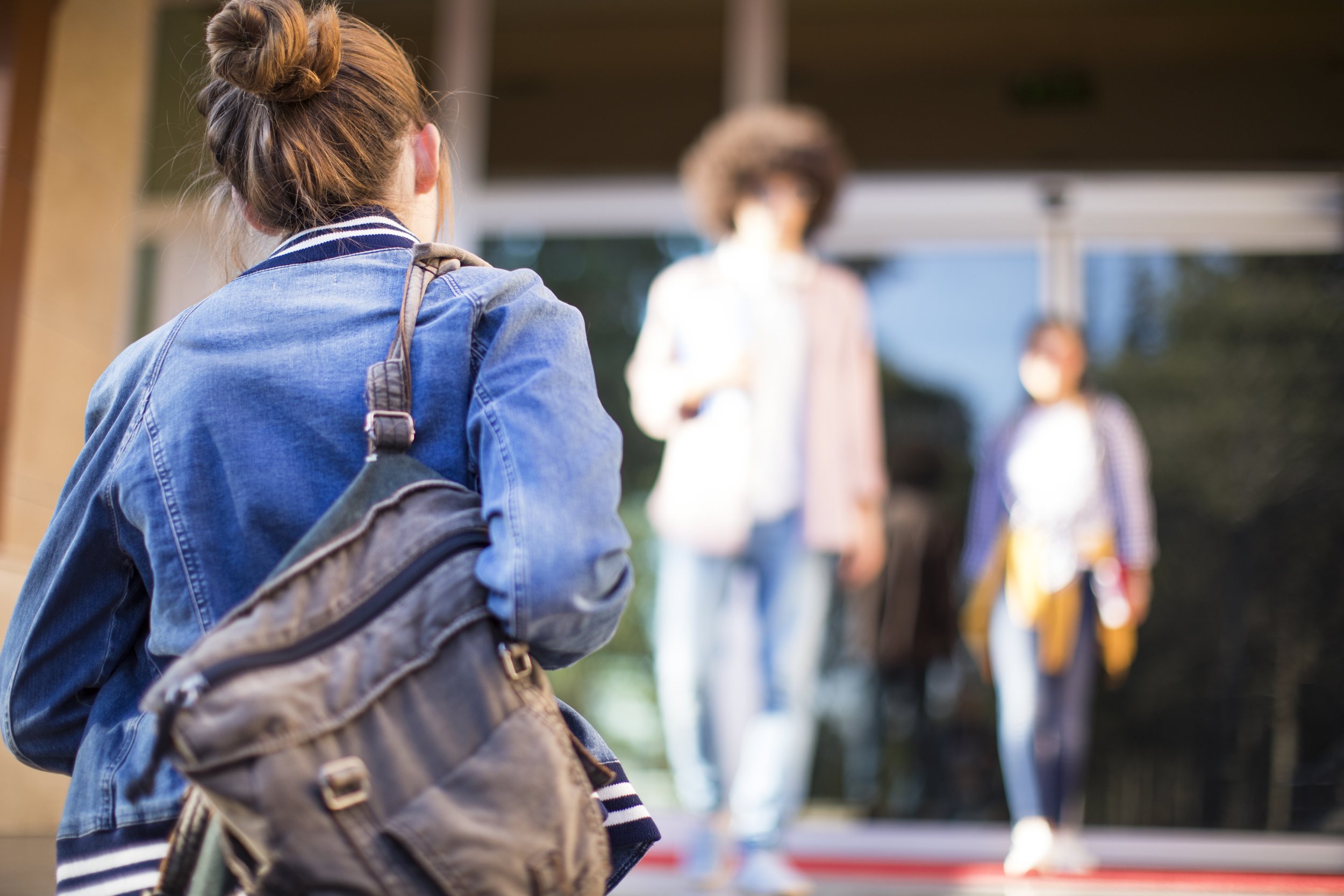
How meaningful experiences can change what students believe about themselves, their school, and tomorrow.
Article by Greg Sommers, The Core Project
Why School Climate Matters for Student Attendance
We all have a deep, biologically rooted need to experience belonging and be known. Being seen and known grounds us. It speaks to some of the deepest questions we carry, often in the quiet places of our lives where we rarely give them a voice. Am I enough? Do I matter? Does anyone really see me? Does anyone care?
For some students, these aren't questions they've found answers to. They are questions that echo in the quiet recesses of their minds and hearts, rising and falling with the ever-changing tides of their social world. Unfortunately, and often painfully, this search for significance leads them into the world of digital media, where the promise of connection and belonging can leave them feeling even emptier and more disappointed than before.
Experience Is the Best Teacher
It is important for students to hear that they matter, or even to read posters that assert the same sentiment. But is it enough? For the questioning student whose previous life experiences have become the source of their self-doubt, words often aren't enough. So, what is enough?
Students need experiences that give them a reason to believe what adults are telling them. They need to experience being welcomed, accepted, and valued. They need meaningful interactions with others that help them discover that they have a place, that their presence matters, and that school can be somewhere they genuinely want to be.
This is where school climate becomes so important. We often think of school climate as something a school creates, but perhaps it's better understood as something . It's found in the relationships they build, the interactions they share, the way they're treated, and the opportunities they have to connect with others. Research suggests these experiences matter more than we might realize.
A 2020 study published in the Journal of School Health, titled Using School Climate to Improve Attendance and Grades, examined more than 14,000 middle and high school students across 26 schools. Researchers found that students who reported more positive school climates and greater satisfaction with school were also less likely to miss school, particularly when it came to skipping classes. These positive perceptions were also associated with better academic outcomes.
What makes this research especially meaningful is how school climate was understood. It included positive relationships with teachers, feelings of safety, opportunities for engagement, and students' overall satisfaction with school. In other words, much of what contributed to a positive school climate was rooted in students' everyday experiences with the people and environment around them.
The study doesn't suggest that positive experiences alone will solve attendance challenges. But it does reinforce something worth considering:
How students experience school is connected to how they feel about being there, and how they feel about being there is connected to whether they show up.
This is why shared experiences matter so much. When students laugh together, overcome challenges together, listen to one another's stories, and discover that they're not as different or alone as they once believed, something begins to change. They aren't simply being told that they belong. They're discovering what belonging feels like.
Those experiences become memories. Memories that can begin to challenge what students have come to believe about themselves, about others, and about school. After all, if our past experiences have shaped what we expect from tomorrow, perhaps a new experience can begin to change those expectations.
When school becomes a place where students feel seen, known, and connected, it becomes more than somewhere they're expected to be. It becomes somewhere they have a reason to return. That's when the door to learning, growth, and discovery begins to open.
The Healing Power of Connection
There's something deeply satisfying about connecting with another person. Being noticed, welcomed, understood, and accepted does something for us. It helps us feel safe enough to let our guard down, to be ourselves, and to believe that we have a place among others.
For students who have spent much of their time feeling overlooked, misunderstood, or disconnected, these experiences can be especially meaningful. Sometimes, they can even begin to heal what previous experiences have wounded.
One thing I've come to believe after more than 30 years of working with students is that they don't necessarily lack the ability to connect. They often lack the opportunity. Think about it. Students walk the same hallways, sit in the same classrooms, and see the same faces every day. They may know one another's names, recognize one another's faces, and even consider one another friends. But how well do they really know each other?
During a Core Day, a student once observed that although they see each other every day and share the same classes and homework, so much of their interaction remains on the surface. Another student shared how surprised she was to discover what some of her own friends were going through. She had known them for some time but had never known their struggles.
What changed? Not the students. Not the school. Not even the relationships themselves, at least initially. What changed was the opportunity to experience one another differently.
Through simple interactions, shared challenges, laughter, and moments of vulnerability, students began to see one another in a new light. The masks they had grown accustomed to wearing began to come down. They discovered common ground where they had previously seen differences. And perhaps most importantly, they began to realize they weren't nearly as alone as they thought.
One student described how much better it felt simply knowing she wasn't the only one. Another shared that the experience helped her feel connected even to classmates she barely knew. These are not insignificant moments. For a young person who has been quietly questioning whether they belong, an experience of genuine connection can offer an answer that words alone may never provide.
Yes, you are seen. Yes, you have a place. Yes, you matter.
And when students begin to feel seen, safe, and soothed in the presence of others, something begins to shift. The energy they may have spent protecting themselves, worrying about what others think, or anticipating rejection can begin to give way to curiosity, openness, and a willingness to participate.
This is why I believe we need to be intentional about creating opportunities for students to experience connection throughout the school day. Not simply telling them to be kind, respectful, or accepting, but giving them opportunities to discover what those things feel like when they're on the receiving end.
Sometimes that opportunity might be a meaningful conversation with a teacher. Sometimes it's an activity that allows students to see their classmates differently. Sometimes it's a shared experience that brings an entire group together. It doesn't always require a full day. Sometimes an hour, a single interaction, or even a moment of genuine connection can begin to challenge what a student has come to believe about themselves and their place at school.
This is one of the reasons I still love facilitating Core Day after all these years. You might think that after more than three decades of working with students, I'd be ready to hang it up. But the truth is, I still find myself looking forward to those days. I love watching students arrive guarded and uncertain, then gradually begin to relax, laugh, connect, and see one another differently.
I especially love hearing what they have to say afterward. Their words continually remind me that beneath the appearances, attitudes, and defenses students sometimes bring to school are young people longing for many of the same things: to be known, to be accepted, and to know that they matter.
Experience Is What Keeps Them Coming Back
The more time I spend with students, the more convinced I become that these experiences are needed now more than ever. Because when students begin to experience school as a place where they feel safe, connected, and valued, something important becomes possible. Rather than spending so much of their energy wondering whether they belong, they can begin turning their attention toward the opportunities in front of them.
Toward relationships. Toward learning. Toward growth. Perhaps even looking forward to coming back tomorrow.
About The Core Project
Founded by Greg Sommers, LPC, The Core Project draws on nearly 30 years of experience working with students, educators, and schools. Through experiential curriculum, student experiences, and educator training, The Core Project helps schools strengthen relationships and create opportunities for meaningful connection.
Our approach is grounded in a simple belief: relationships influence how people experience school, and meaningful learning often begins with meaningful experiences.
Learn more at thecorepro.com.
Reference
Daily, S. M., Smith, M. L., Lilly, C. L., Davidov, D. M., Mann, M. J., & Kristjansson, A. L. (2020). Using school climate to improve attendance and grades: Understanding the importance of school satisfaction among middle and high school students. Journal of School Health, 90(9), 683–693. https://doi.org/10.1111/josh.12929